Las Vegas heat and shifting desert soil crack stucco every year. We repair it properly — texture-matched and color-blended — so the patch disappears instead of standing out.
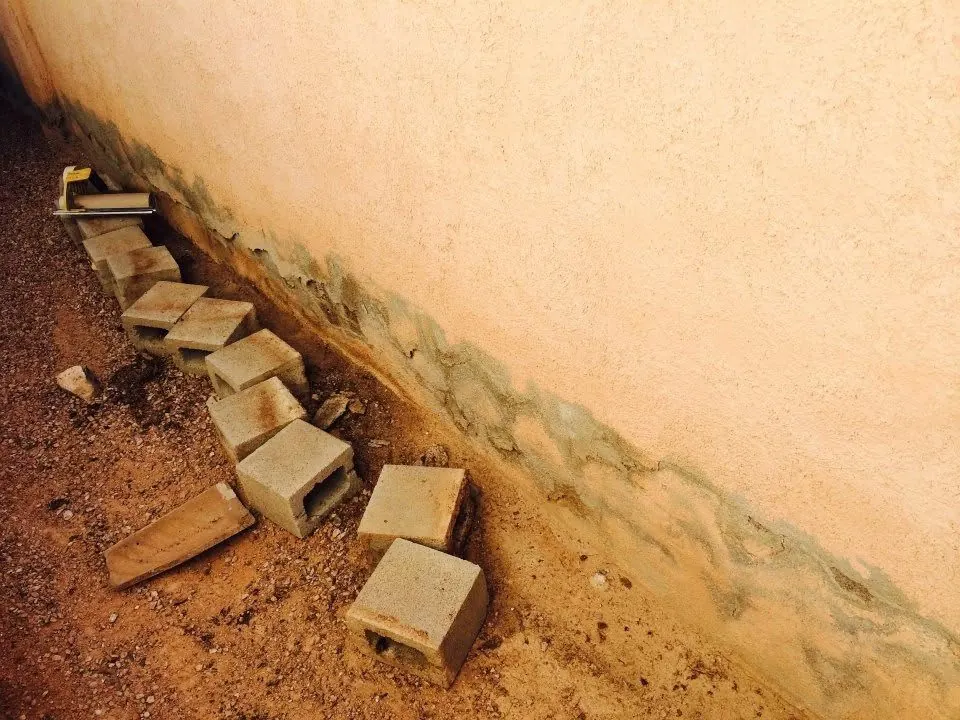
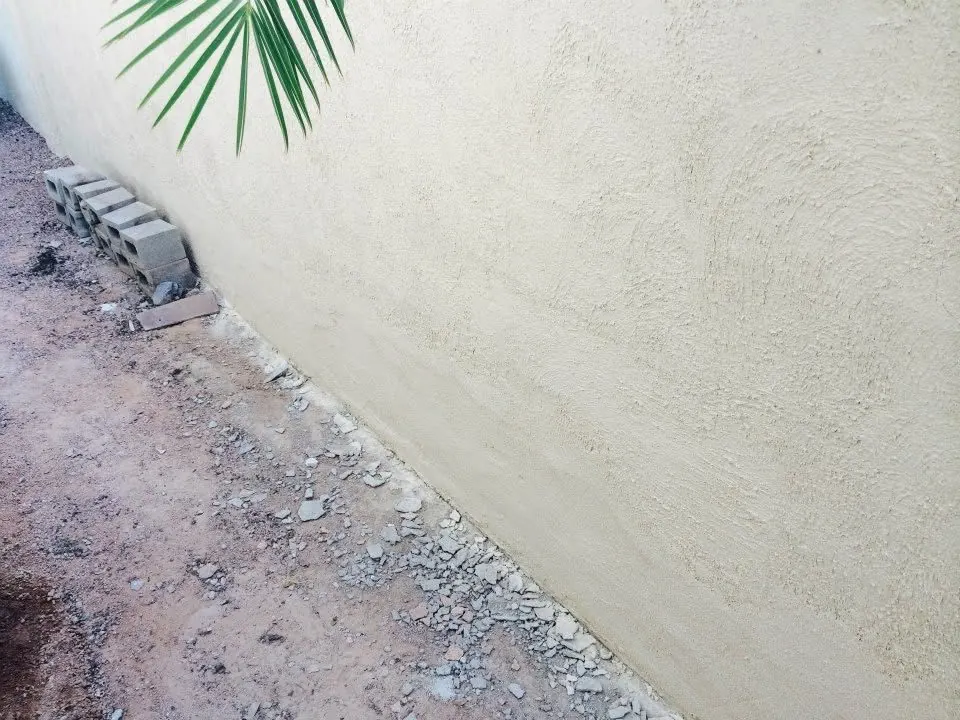
Stucco is durable, but it isn't immune to the desert. Daily temperature swings of 30-40 degrees cause the material to expand and contract, and Southern Nevada's clay-heavy soil shifts with irrigation and seasonal moisture. Over years, that stress shows up as hairline cracking, spider cracks around windows and corners, and eventually spalling — where the surface layer flakes or crumbles away.
Left alone, cracks let water behind the stucco during monsoon season, which can lead to much larger and more expensive repairs. Catching it early is cheaper than fixing it late.
If you're in Seven Hills, Anthem, Inspirada, or Green Valley Ranch, we help prepare your color spec so repairs and repaints don't stall at the architectural committee.
Desert heat causes stucco to expand and contract daily, and our clay-heavy soil shifts with seasonal moisture changes. Both stress the stucco surface, leading to hairline cracks, spider cracking, and eventually spalling if left unaddressed.
Yes. We match sand, knockdown, and lace textures so repairs blend into the surrounding surface rather than standing out as an obvious patch.
Not always. Small patch repairs can often be color-matched and blended without repainting the full wall. Larger repairs or older, sun-faded stucco usually look best with a full-wall or full-house repaint for even color.